

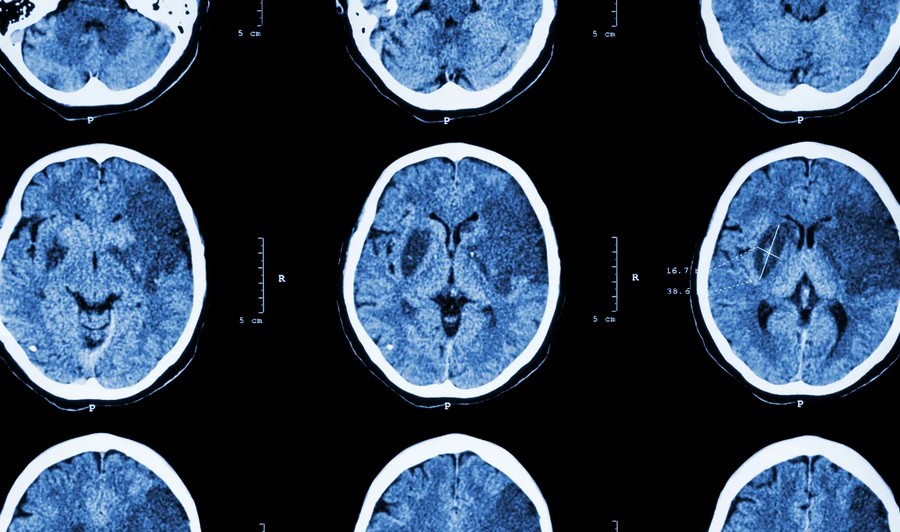
Traumatic brain injuries are among the most underdiagnosed and undervalued injuries in personal injury litigation. Approximately 2.8 million TBI-related (CDC Traumatic Brain Injury Surveillance Report) emergency department visits, hospitalizations, and deaths occur annually in the United States, but mild TBI cases, which constitute the majority, frequently go undiagnosed at initial evaluation. The diagnostic journey and its documentation directly shape the financial valuation of TBI-related personal injury claims.
Underdiagnosis and Delayed Recognition
An estimated 40% to 50% (Journal of Neurotrauma) (American Academy of Neurology) of mild traumatic brain injuries are not diagnosed at the initial emergency department visit. Standard CT imaging, the primary diagnostic tool in emergency settings, fails to detect approximately 95% of mild TBIs because the injuries involve diffuse axonal damage rather than macroscopic structural abnormalities visible on CT.
This diagnostic gap creates significant problems for personal injury claimants. When the initial medical record does not document a brain injury, insurance adjusters treat the absence of diagnosis as evidence that no brain injury occurred. Subsequent diagnoses made through neuropsychological testing or advanced imaging such as diffusion tensor MRI face heightened scrutiny and are frequently challenged as post-hoc attributions rather than legitimate clinical findings (Avian Law Group).
Valuation Differences by Diagnosis Timing
Claim data reveals a stark valuation difference based on when TBI is formally diagnosed. Claims where TBI was documented in the emergency department record at the time of injury settled at an average of $285,000 for moderate severity cases. Claims where TBI was first diagnosed two or more weeks post-accident settled at an average of $142,000 for comparable severity, a 50% reduction attributable largely to causation disputes.
The pattern intensifies for mild TBI cases. When mild TBI is diagnosed at the initial evaluation, average settlements reach $94,000. When the same diagnosis is made weeks later through specialist evaluation, average settlements drop to $47,000. This data demonstrates that diagnosis timing has as much influence on claim value as the severity of the injury itself in mild to moderate TBI cases.
Advanced Diagnostic Tools and Their Litigation Impact
Advances in neuroimaging have improved the ability to objectively document mild TBI. Diffusion tensor imaging can identify white matter tract damage (Radiology) invisible on conventional MRI. Functional MRI studies can demonstrate altered brain activation patterns consistent with TBI. Quantitative EEG analysis provides objective measures (Clinical Neurophysiology) of neural function that can be compared against normative databases.
These diagnostic tools are increasingly accepted in litigation, though their admissibility varies by jurisdiction. California courts have generally admitted DTI and fMRI evidence in TBI cases when accompanied by qualified expert testimony. The presence of objective imaging findings supporting a TBI diagnosis increases average settlement values by approximately 40% compared to cases relying solely on neuropsychological testing results.
Building a Complete Diagnostic Record
The financial implications of TBI diagnosis timing and documentation are substantial. Individuals who sustain head injuries in accidents should seek neurological evaluation promptly, even when initial emergency imaging is negative. Building a comprehensive diagnostic record that includes neuropsychological testing, advanced imaging when indicated, and detailed symptom documentation provides the evidentiary foundation necessary to establish both the existence and the impact of a traumatic brain injury.
