
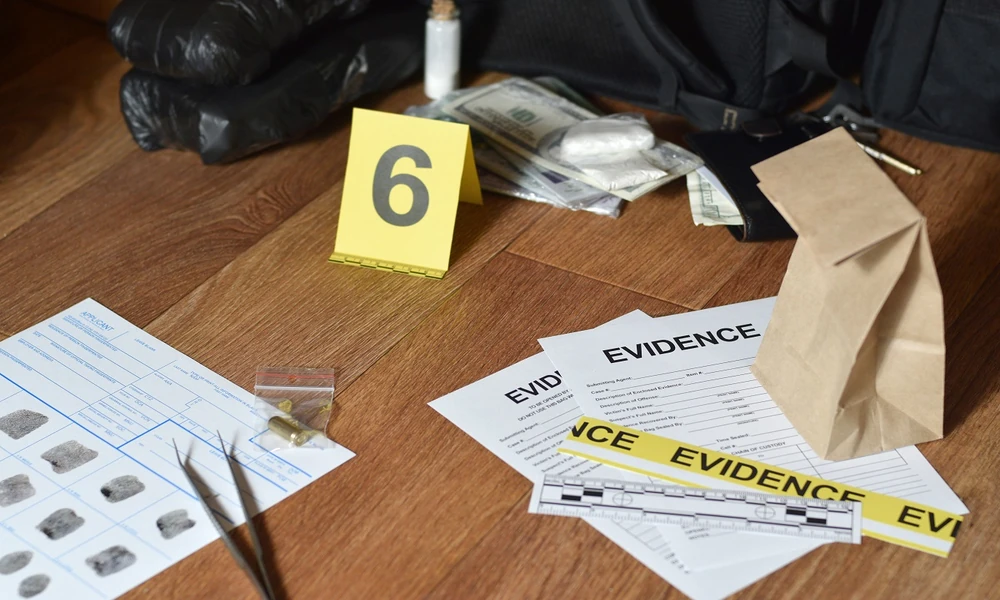
Forensic evidence plays a critical role in modern criminal defense. This proof can mean the difference between freedom and conviction. As a DWI lawyer, you understand the power of solid evidence. From fingerprints to DNA, forensic tools offer clarity. They help you build a strong defense by supporting the facts of the case. This evidence can challenge witness statements or uncover biases. Reliable forensic methods ensure fair trials. They provide a voice for the accused and guard against wrongful convictions. Understanding forensic evidence helps you make informed decisions. It empowers you to advocate effectively for your clients. The right expertise and evidence can illuminate the truth in a justice system that demands accuracy. Forensic evidence is not just about solving crimes. It is about ensuring fairness. Its influence on criminal defense is undeniable, giving defendants a fair chance to present their side. Navigate your defense with confidence, armed with irrefutable proof.
Types of Forensic Evidence
Various types of forensic evidence play a crucial role in the legal process. These include:
- Fingerprints: Unique to each individual, they provide reliable identification.
- DNA: A powerful tool for confirming identities and relationships.
- Ballistics: Examines firearms, ammunition, and the impact they leave behind.
Each type offers unique insights that can either substantiate or refute claims made during trials.
The Importance of Accuracy
Forensic evidence must be handled with precision. Errors can lead to wrongful convictions or dismissals. Trained professionals follow strict protocols to ensure evidence remains untampered. They document findings meticulously to maintain integrity. The impact of accurate forensic processes cannot be understated. They form the backbone of fair judicial outcomes.
Comparison of Evidence Types
| Type of Evidence | Usefulness | Reliability |
|---|---|---|
| Fingerprints | High | Very High |
| DNA | Very High | Extremely High |
| Ballistics | Medium | High |
This table highlights the strengths of different evidence types. DNA, for instance, is extremely reliable. Fingerprints also offer high reliability, but each type has its unique application.
Challenges in Forensic Evidence
Despite its strengths, forensic evidence faces challenges. Misinterpretation of evidence remains a concern. Complex techniques may require deep understanding and experience. There are also issues with evidence collection and preservation. Proper training and resources can mitigate these risks. Collaboration between experts and legal professionals is necessary to ensure evidence is used correctly.
Forensic Evidence in Court
In the courtroom, forensic evidence can sway outcomes significantly. Jurors often perceive forensic data as more credible. It is essential for defense lawyers to understand the evidence thoroughly. Cross-examination of expert witnesses can reveal strengths and weaknesses. Properly presented, forensic evidence supports a clear, factual narrative. A strong understanding of forensic science can enhance legal strategies. You can refer to sources such as the National Institute of Justice for more information on applying forensic science in legal contexts.
Conclusion
Forensic evidence is central to modern criminal defense. It offers clarity and fairness in a complex justice system. By understanding and utilizing this evidence, defense lawyers can advocate effectively. It is crucial to keep abreast of advancements in forensic methods and their applications. This knowledge ensures that justice is served with integrity. For more insights on forensic evidence, explore resources from the FBI Laboratory Services. They provide valuable information on the latest forensic techniques and standards. In the courtroom, forensic evidence is a tool for truth, ensuring every story is heard with accuracy and fairness.

Ms Aditi Sharma, Advocate, Delhi High Court, Jotwani Associates, Intellectual Property Rights. This article is written by Aditi Sharma, an experienced lawyer with a proven history of working in the Legal Industry. Key areas of expertise: Legal drafting, Divorce Law, Corporate Law, Family Law, Criminal Law, Property Law, Patent Law, Civil Law, etc.